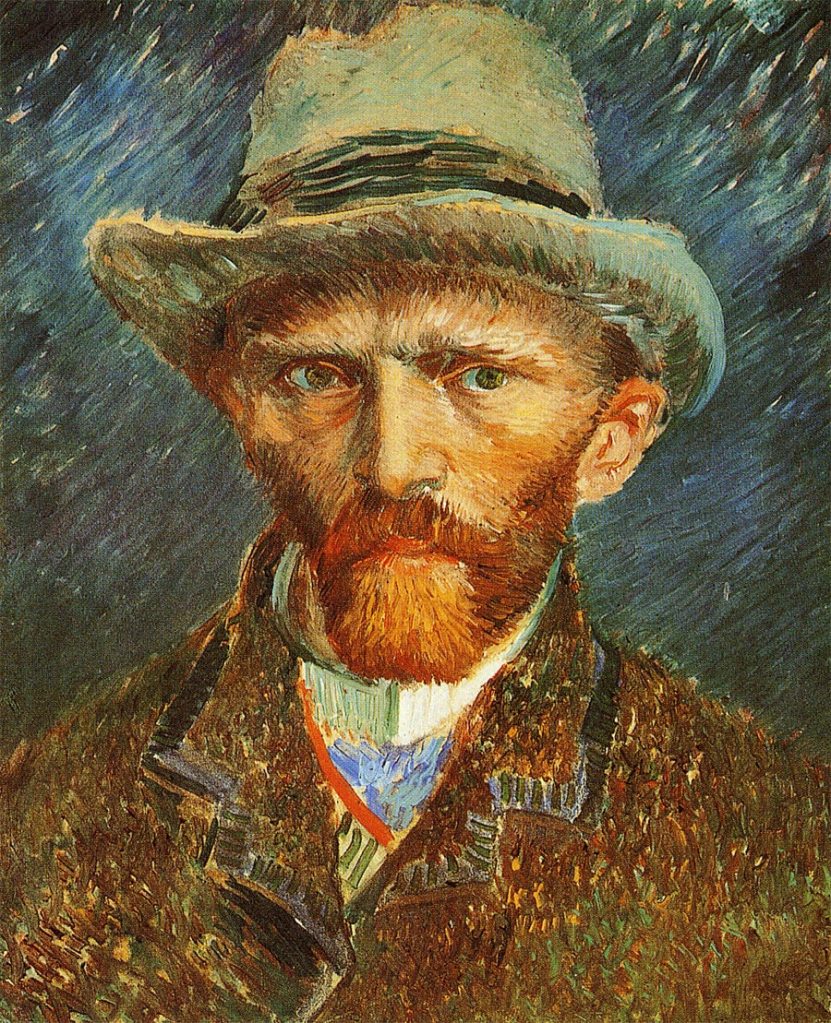
Vincent VanGogh is perhaps the most important and celebrated artistic genius of our day. His paintings hang in the most prestigious museums in the world and his artwork is appreciated by millions of people for its unique expression of color and design. Born in Holland in 1853 Vincent Vangogh suffered an emotionally disturbing childhood marked by depression and a lack of self confidence. Having suffered the great misfortune of being the next child born to his parents immediately nine months after the death of his older brother who died as an infant suddenly and unexpectedly upon his birth, he became the namesake of this older sibling in whose shadow of sorrow he would remain forever in this life. His mother never recovered from the tragedy of losing her son, and as mothers do, she communicated this emotion in the form of rejection to poor Vincent who could never become the child she lost and bring healing and wholeness to her soul.
Vincent’s artistic ability and love for nature became apparent at a very young age as his mother encouraged him to draw and create. However, his father, an austere calvinist minister had a greater influence on the direction of Vincent’s early life. Setting out as a young man, it was Vincent’s desire to preach the gospel of Jesus Christ. He found his way eventually to a poor mining community in Belgium where he lived a life of poverty and sacrifice to minister to the poor. Sadly, he was eventually rejected in this pursuit for being overzealous and not maintaining enough distinction to be considered a candidate for the church. After stumbling through several painful romances and experiences of loss in his life he began to study art and joined his brother Theo in Paris where he was introduced to several of the great impressionists artists of his day. He imitated their techniques but in time he grew accomplished in his own style and ability with bold color and beauty while communicating tremendous emotion and feeling in his art. He looked at nature and his desire was to express his thoughts on canvas of the majestic beauty that he deeply took in from the world around him. Sadly, the powerfully felt emotions of pain and sorrow that were so familiar to Vincent seem to torment him and he began to suffer fits of rage amidst moments of tremendous despair. All of this a testament to the awesome impact our earliest experiences and impressions can have on the course of one’s life. A self inflicted injury to his own ear during a fight led him eventually to an insane asylum where he sought to heal from the brokeness that had enveloped his entire life with pain. It was here that some of his most exquisite work was created. As he would look out his window at the gardens, it was the magnificent purple irises that were first intricately imposed upon his canvas. Little did he know that they would one day be admired and treasured by millions of people all across this globe. But those days were yet a long way off and Vincent was still in the crucible of affliction he so sought to escape. Some of his finest work was created in these years that he spent at the asylum. In time he left and hoped to recover and start afresh, but it was not to be. The anguish of his heart and the dejection of his spirit would prove a formidable force at his journey’s end. In fact, it was a self inflicted gunshot wound to the head that ended Vincent’s grief in this life at last. Facing mounting pressures as an artist, financial woes, and poor health, along with intense emotional distress, he took his own life in a moment of weakness and hopelessness, leaving his brother Theo heartbroken, for the two brothers were very close. Astonishingly, Vincent Vangogh never sold more than one painting during his lifetime. In fact, ironically, paintings that he had left with others as gifts or out of neglect were used for various sundry purposes, a barrier to fence in chickens, target practice, or simply thrown away as was the case in his mother’s choice of how to rid herself of his masterpieces. How is it possible? Someone so talented, so sensitive, so creative, yet so rejected, was unknown and unappreciated until years after his death. How could this be? Yet during his lifetime, Vincent never experienced the recognition or praise his beautiful art so evokes and deserves. He died, in his own mind, a failure, having never achieved the success as an artist he so longed for and pursued, nor ever having healed from the demons that, as the old hymn goes, mocked his soul’s sad cry all his life. But God had other plans for the story and message of Vincent’s life in this world. The pain that so gripped Vincent all his life was actually a catalyst to his greatness and the very medium through which he achieved spectacular works in his artistic expression. So often it is true, it is our pain, the very things we seek to eclipse, and subdue in our own lives that God uses to shape us , mold us, and bring us to Himself in the most profound ways. Did Vincent know one day he would be one of the most influential and famous artists in the world? He certainly didn’t. But God knew and he was God’s gift and inspiration to us all.
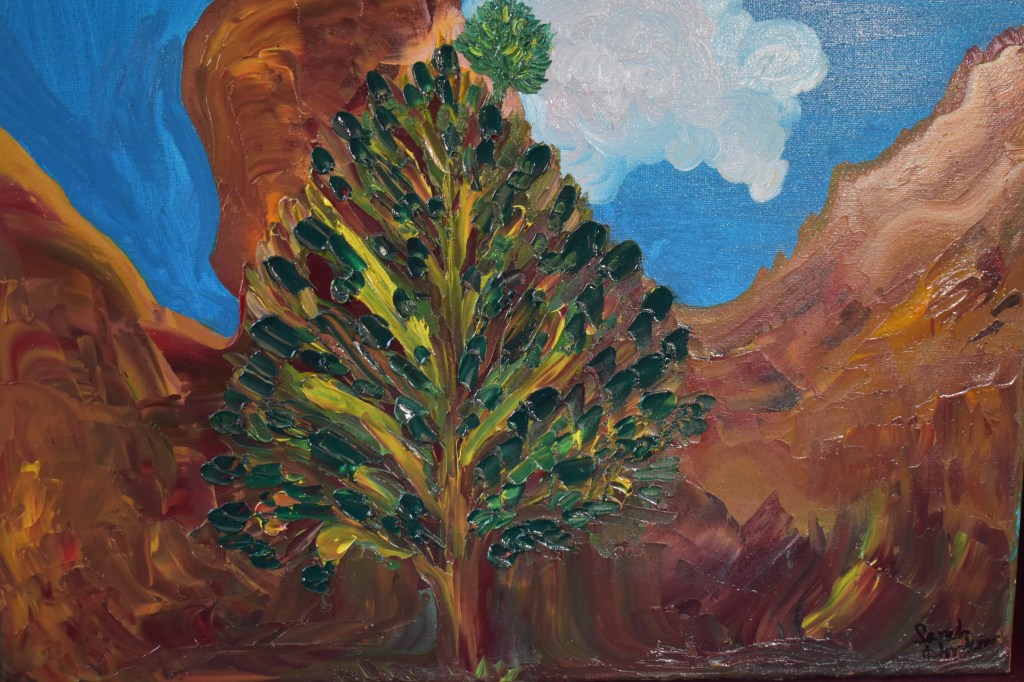
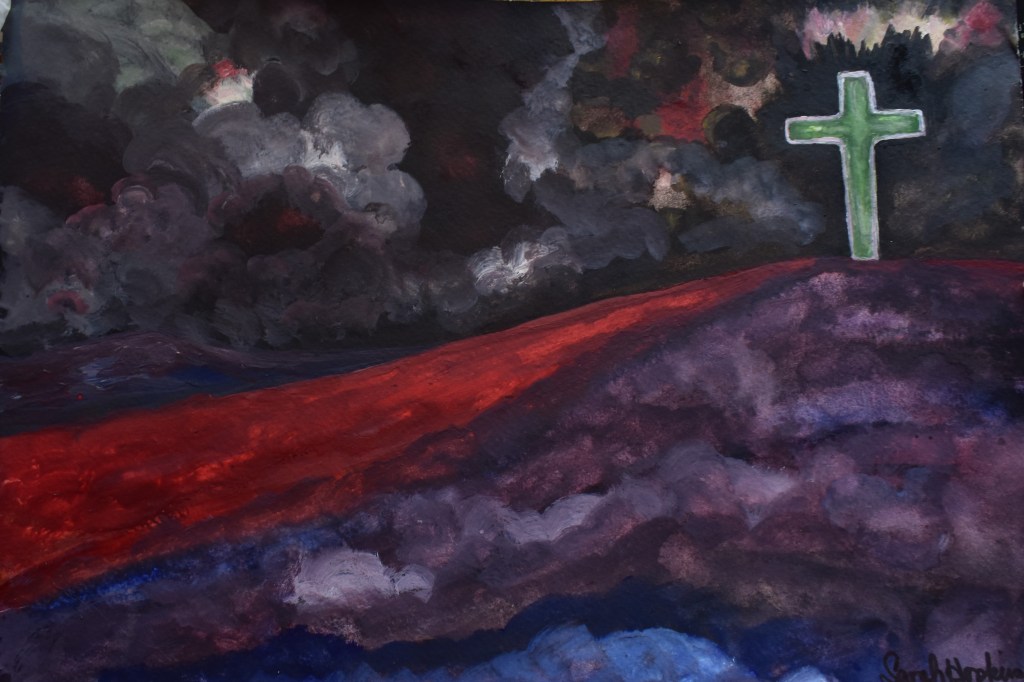
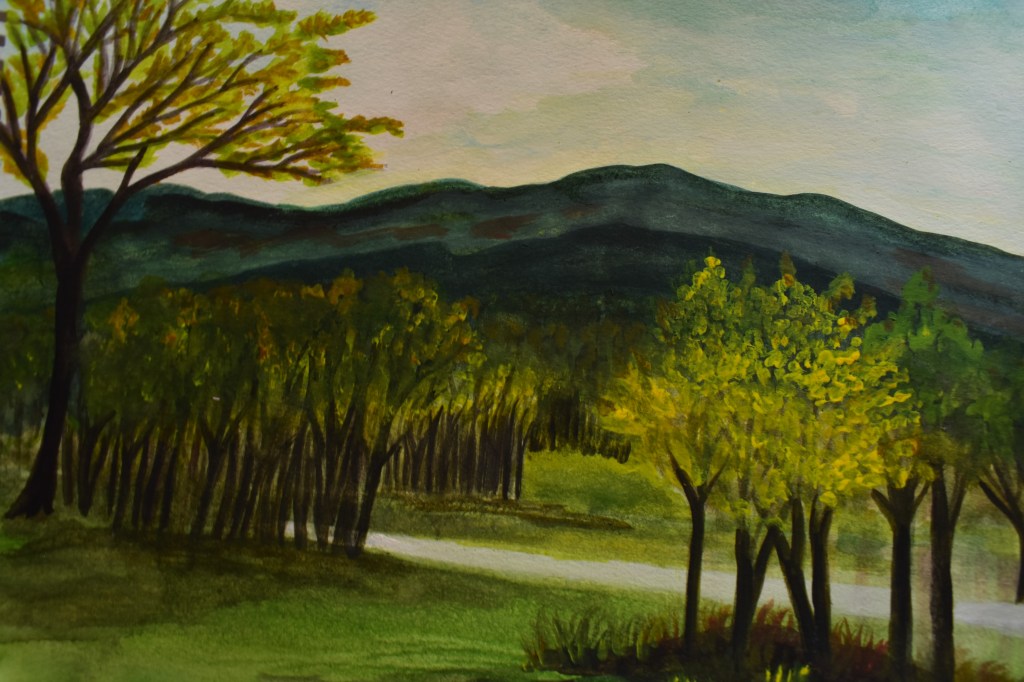
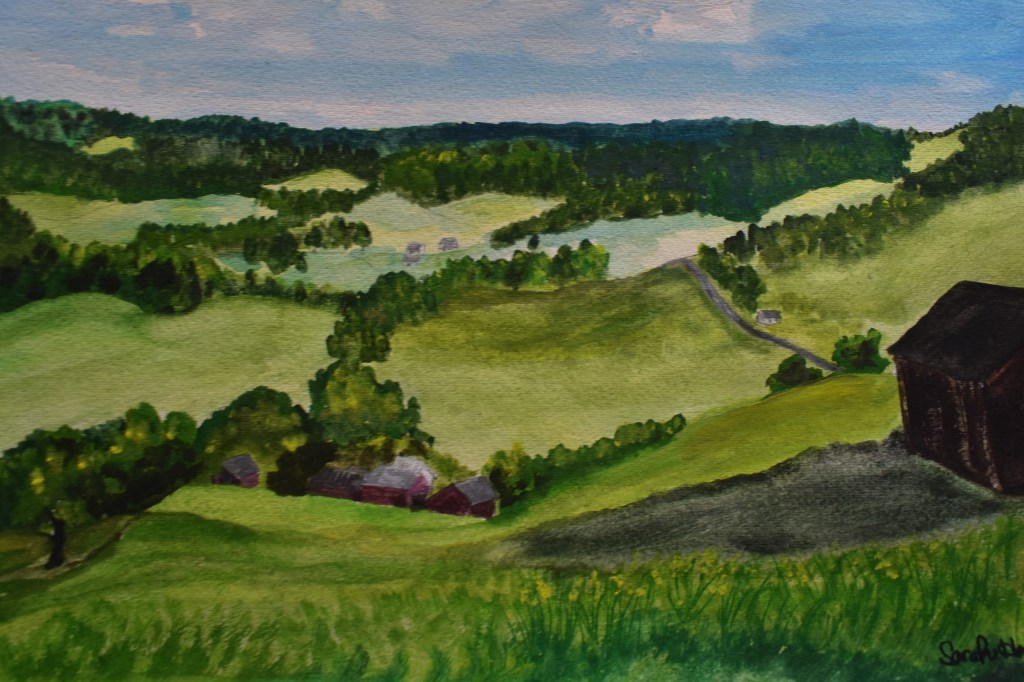
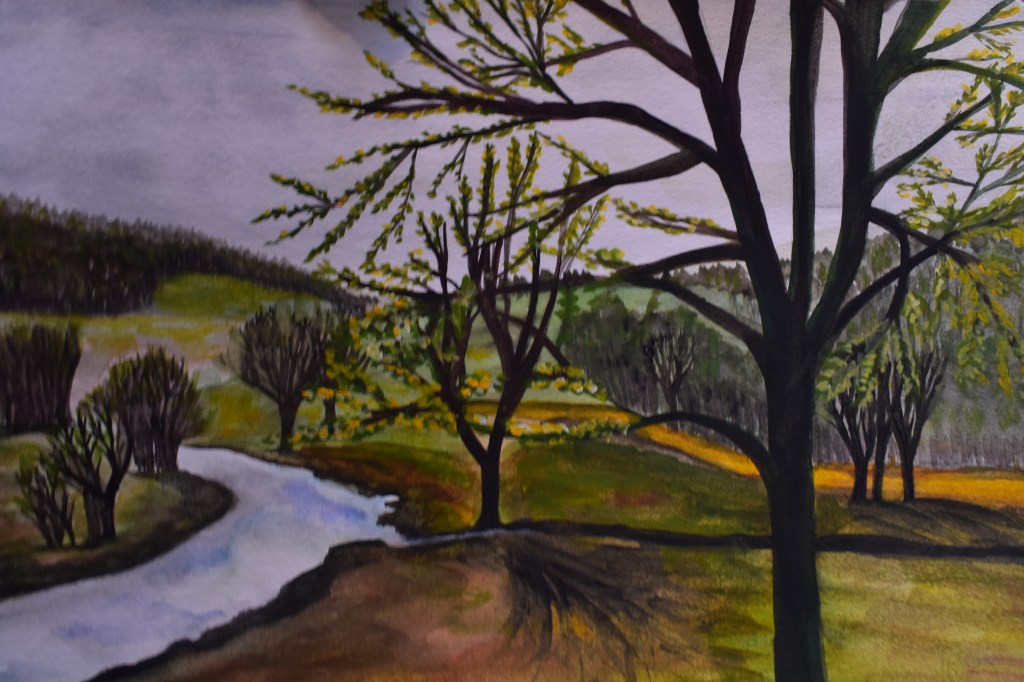
 Sarah Hopkins Art